Autumn is, without question, one of the most beautiful seasons of the year. As the sweltering heat and frantic energy of summer gradually yield to the cool, quiet serenity of autumn, a remarkable transformation takes hold of the landscape. The world seems to exhale; the air becomes crisp and invigorating, and nature begins its slow retreat towards winter. This transitional period—with its spectacular display of amber, gold, and crimson foliage—offers photographers a truly magical opportunity to capture some of the most breathtaking images of the year.
However, photographing in autumn presents its own unique set of challenges. The diminishing light, unpredictable weather, and fleeting moments of perfection demand both patience and careful preparation. Whether you are a professional photographer seeking to expand your portfolio or an enthusiastic amateur hoping to preserve the season’s beauty, these comprehensive tips will help you make the most of your autumn photography adventures.
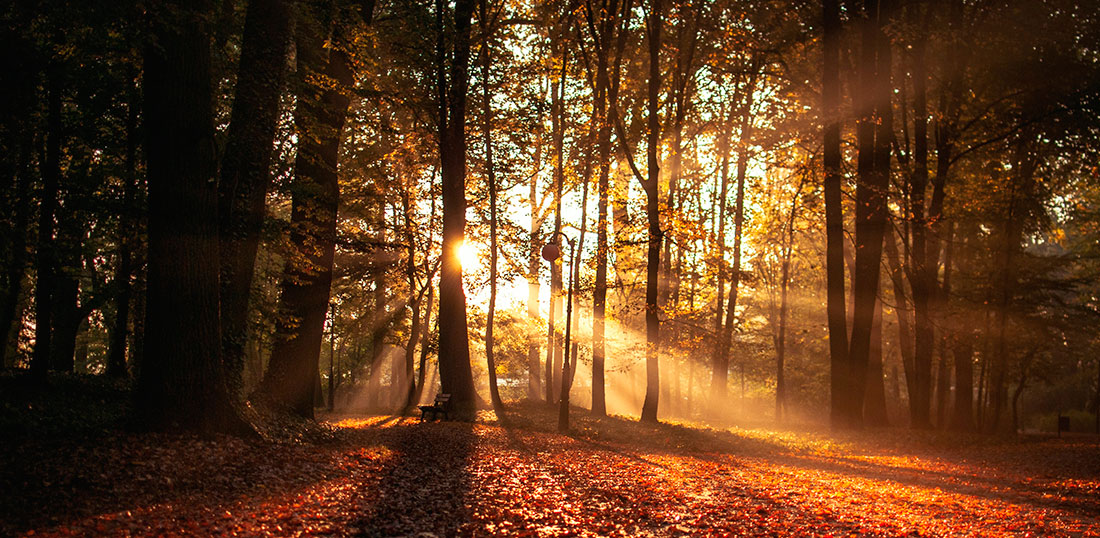
1. Time Your Shoots for Perfect Conditions
Timing is everything in photography, but this becomes particularly crucial during the autumn months. This transitional season is characterised by constant, sometimes dramatic, change. The window of opportunity for capturing those perfect, vibrantly coloured leaves can be surprisingly brief—often lasting only a few days before the wind sweeps them away or the first frost causes them to wither.
To maximise your chances of success, remain observant and flexible. Pay close attention to local weather forecasts and consult foliage prediction maps, which are widely available online. Keep your camera equipment readily accessible at all times, because the perfect conditions can materialise without warning. A morning mist burning off to reveal a golden woodland, or an unexpected ray of sunlight breaking through storm clouds, can create photographic opportunities that are both fleeting and spectacular.
Pro tip: Consider visiting your chosen locations multiple times throughout the season. Early autumn offers a different palette from late autumn, and photographing the same scene as it evolves can produce a fascinating series of images documenting nature’s slow transformation.
2. Master Your Lighting Techniques
Light is the fundamental language of photography, and nowhere is this more apparent than in autumn photography. The season’s lower sun angle produces a warmer, softer quality of light that can dramatically enhance the rich colours of the landscape. However, the shorter days and increased cloud cover mean you will need to be more deliberate about your lighting strategies.
When shooting in autumn, pay close attention to the direction and quality of light. Front lighting—where the sun is behind you—will illuminate your subject evenly but can sometimes flatten the appearance of textures. Side lighting, particularly during early morning or late afternoon, will emphasise the three-dimensional quality of leaves and tree trunks, creating beautiful shadows and depth. Backlighting, where the sun is behind your subject, can transform translucent autumn leaves into glowing jewels of light, almost as if they are illuminated from within.
Do not hesitate to use your camera’s flash when needed, particularly when photographing subjects in shaded areas or on overcast days. A subtle fill-flash can help brighten shadows and bring out details that might otherwise be lost. For those comfortable with post-processing, adjusting lighting levels during editing can also rescue images that did not quite capture the scene as you envisioned.
Equipment recommendation: A reflector is an inexpensive but invaluable tool for autumn photography. It can bounce existing light into shadowy areas, providing natural-looking fill light that enhances colours without the sometimes harsh effect of direct flash.
3. Adapt Your Shutter Speed to Weather Conditions
Autumn weather is notoriously changeable, and the wind is one of your most significant variables. A gentle breeze can add a sense of life and movement to your images, but stronger winds can turn crisp, detailed photographs into frustratingly blurred disappointments.
When faced with windy conditions, increase your shutter speed to freeze the action. This means your camera will capture the image faster, reducing the likelihood of motion blur from rustling leaves, swaying branches, or even your own shivering hands. A general rule of thumb is to use a shutter speed of at least 1/250th of a second on breezy days, though faster speeds of 1/500th or higher may be necessary for particularly gusty conditions.
Conversely, when conditions are still, consider experimenting with longer exposures to capture the tranquil beauty of the season. A tripod becomes essential in these situations, allowing you to use slower shutter speeds without camera shake. This technique can create beautiful effects with water, such as capturing the silky smoothness of a waterfall surrounded by autumn foliage.
4. Compose Thoughtfully to Minimise Distractions
Autumn’s abundance of visual richness can sometimes work against photographers. The sheer profusion of colour, texture, and detail can create overwhelming compositions where the viewer’s eye does not know where to focus. Successful autumn photography often relies on the art of subtraction—selecting what to leave out of the frame as much as what to include.
When composing your shots, look for clean backgrounds that will not compete with your main subject. A patch of clear sky, a body of water reflecting the autumn colours, or an area of shadow can provide the negative space that allows your focal point to stand out. If you are photographing a particularly beautiful tree, consider positioning yourself so that the background is relatively uniform, or use a wide aperture (a low f-number) to create a shallow depth of field that blurs background distractions.
Do not be afraid to zoom in on details and abstract compositions. Autumn offers countless opportunities for macro photography—a single leaf covered in morning dew, the intricate pattern of a seed head, or the texture of bark against a backdrop of golden foliage. These intimate images often capture the season’s essence more effectively than broad landscapes.
Post-processing tip: If you discover distractions in your images during editing, careful cropping can often salvage the composition. Remember that you can also use software tools to reduce the visibility of unwanted elements or draw attention to your main subject.
5. Embrace the Photography Walk Philosophy
One of the most rewarding aspects of autumn photography is the opportunity to combine creative expression with physical activity and mindful observation. A dedicated photography walk—where the primary goal is to explore and discover potential images—can yield extraordinary results while providing multiple benefits for your wellbeing.
These walks should not be rushed. Allow yourself to move slowly, observing how the light changes as clouds pass overhead, how the wind plays with the leaves, and how different angles dramatically alter the visual impact of familiar scenes. Stop frequently to examine potential compositions from different perspectives. What looks ordinary at eye level might become extraordinary when photographed from ground level, looking upwards through the canopy, or from an elevated position offering a sweeping vista.
The act of moving through the landscape can itself become a form of meditation, reducing stress and increasing your appreciation for the natural world. Each walk becomes both a physical journey and a creative exploration, building your portfolio while contributing to your overall quality of life.
Practical advice: Keep your camera settings adjusted for quick changes in lighting conditions as you move between open areas and shaded woodland. Consider using a camera strap that allows your camera to hang at chest level, ready for instant use when a perfect moment presents itself.
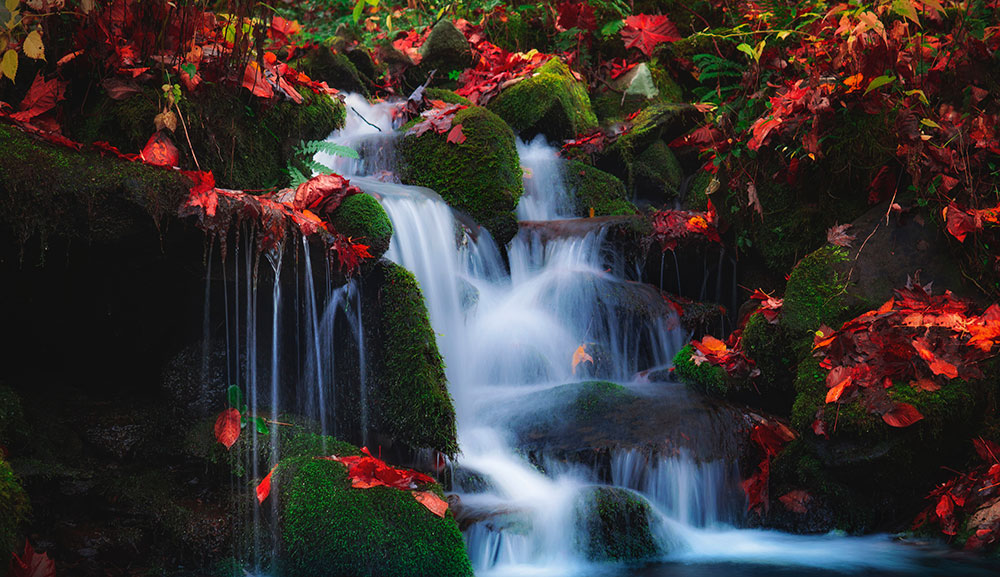
Essential Tips for Autumn Photography Destined for Canvas Prints
Autumn’s visual splendour makes it the premier season for capturing images destined to become stunning canvas prints. The rich, warm colours and dramatic landscapes create artwork that brings warmth and beauty to any space, whether it is your living room, office, or a restaurant seeking to create a welcoming atmosphere. Engaged couples often choose autumn for their engagement sessions, and families love to commemorate the season with outdoor portraits.
However, creating images that translate beautifully onto canvas requires additional consideration. Canvas prints are physical objects that will occupy space in your environment, and the image must work both as a photograph and as a decorative piece. These expert tips will help ensure your autumn photography is canvas-ready:
6. Employ Polarising Filters for Enhanced Colour Saturation
The vibrant colours of autumn foliage are the season’s main attraction, but they can sometimes appear muted or washed out in photographs, particularly on bright days when reflections and glare interfere with your camera’s sensor. A high-quality polarising filter addresses this problem by reducing non-metallic reflections, such as those from leaves and water.
By cutting through the glare, a polariser allows deeper, richer colours to reach your sensor. It is particularly effective for enhancing the contrast between autumn leaves and a blue sky, making the sky appear deeper and the foliage more saturated. However, be mindful that polarising filters also reduce the amount of light entering your lens, which may require you to adjust your shutter speed or aperture to compensate.
Important consideration: The angle of the sun relative to your subject affects how effectively a polarising filter works. For maximum effect, position yourself so that the sun is at a 90-degree angle to your camera’s lens. Turn the filter while looking through your viewfinder to see the changing effect and stop when you achieve the desired level of saturation.
7. Capture the Magic of Golden Hour
While lighting is always important, in autumn photography, the quality of light during golden hour—the period shortly after sunrise and before sunset—takes on almost magical importance. During these times, the sun’s low position in the sky produces a warm, golden light that bathes the landscape in a soft, ethereal glow.
This quality of light is particularly effective in autumn because it interacts beautifully with the season’s warm colours. The golden light enhances the reds, oranges, and yellows of the foliage while creating long, dramatic shadows that add depth and dimension to your images. The soft, diffused quality of this light is also flattering for people photography, making it an ideal time for portraits and family sessions.
Time management tip: Use a photography app that calculates sunrise and sunset times for your location. Arrive at least 30 minutes before the official sunrise or sunset to prepare your equipment and find the best position. Remember that the most beautiful light often occurs slightly before or after the sun actually appears or disappears.
8. Embrace and Enhance Colour Contrast
Autumn is a masterclass in colour theory, offering a natural palette rich in complementary and contrasting hues. The brilliant reds and oranges of maple leaves against a deep blue sky, the golden yellow of birch trees set against dark evergreen pines, or the vibrant crimson of sumac contrasted with the soft browns of dried grasses—these are the visual harmonies that create compelling images.
Understanding basic colour theory can help you compose more effective images. Complementary colours—those opposite each other on the colour wheel, such as orange and blue or yellow and purple—create dynamic tension that draws the viewer’s eye and adds visual interest. Analogous colours—those adjacent on the colour wheel, such as red, orange, and yellow—create harmonious, soothing compositions.
When photographing colour contrasts, pay careful attention to how these elements balance within your frame. Sometimes the most striking images come from a single, vivid splash of autumn colour against a more neutral background. Other times, the richness comes from the full palette of autumn colours working together in a complex but balanced composition.
9. Transform Chaos into Compelling Compositions
Autumn can appear messy and chaotic—fallen leaves scattered across the ground, branches bent and tangled by wind, and fallen logs covered in colourful fungi. While this chaos might seem antithetical to good photography, it actually presents creative opportunities that can produce some of the season’s most original and compelling images.
The key to photographing chaos successfully is finding order within the disorder. Look for patterns, lines, or repeating shapes that can serve as visual anchors. A trail of fallen leaves curving through a forest floor can create a leading line drawing the eye through the image. A single, perfect leaf lying among scattered others can become a focal point that organises the entire composition.
Do not hesitate to rearrange elements slightly—nature is forgiving, and moving a leaf into a more favourable position or removing a distracting twig can transform a chaotic scene into a thoughtful composition. The goal is not to create a sterile, artificial scene but to find and emphasise the inherent beauty within nature’s apparent disorder.
Creative exercise: Challenge yourself to find beauty in the most chaotic autumn scenes you encounter. This practice will develop your visual skills and help you see photographic opportunities where others only see untidiness.
Bringing It All Together
Autumn photography is as rewarding as it is challenging. Success requires technical competence, creative vision, and the patience to wait for the right combination of conditions. But when all these elements align—the perfect light, the ideal subject, and a photographer ready to capture the moment—the resulting images can be truly extraordinary.
Whether you are creating images for your personal collection, preparing for an exhibition, or planning to decorate your space with stunning canvas prints, the autumn season offers an embarrassment of photographic riches. The tips outlined in this guide will help you navigate the season’s challenges while unlocking its full creative potential.
Remember that the best photographers never stop learning and experimenting. Each autumn brings different conditions and opportunities, and the images you capture this year will be unique to this moment in time. So prepare your equipment, dress appropriately for the weather, and venture out with an open mind and a creative eye. The autumn landscape is waiting to share its beauty with you.
Happy shooting!
Canvas Design has been creating premium, handcrafted canvas prints in the UK since 2004. For more inspiration, explore our Art Gallery for floral canvas prints and discover how we can transform your favourite photographs into beautiful wall art.